How to See a Tiger: A Complete Guide to India's Best Wildlife Sanctuaries in 2026
23 April 2026
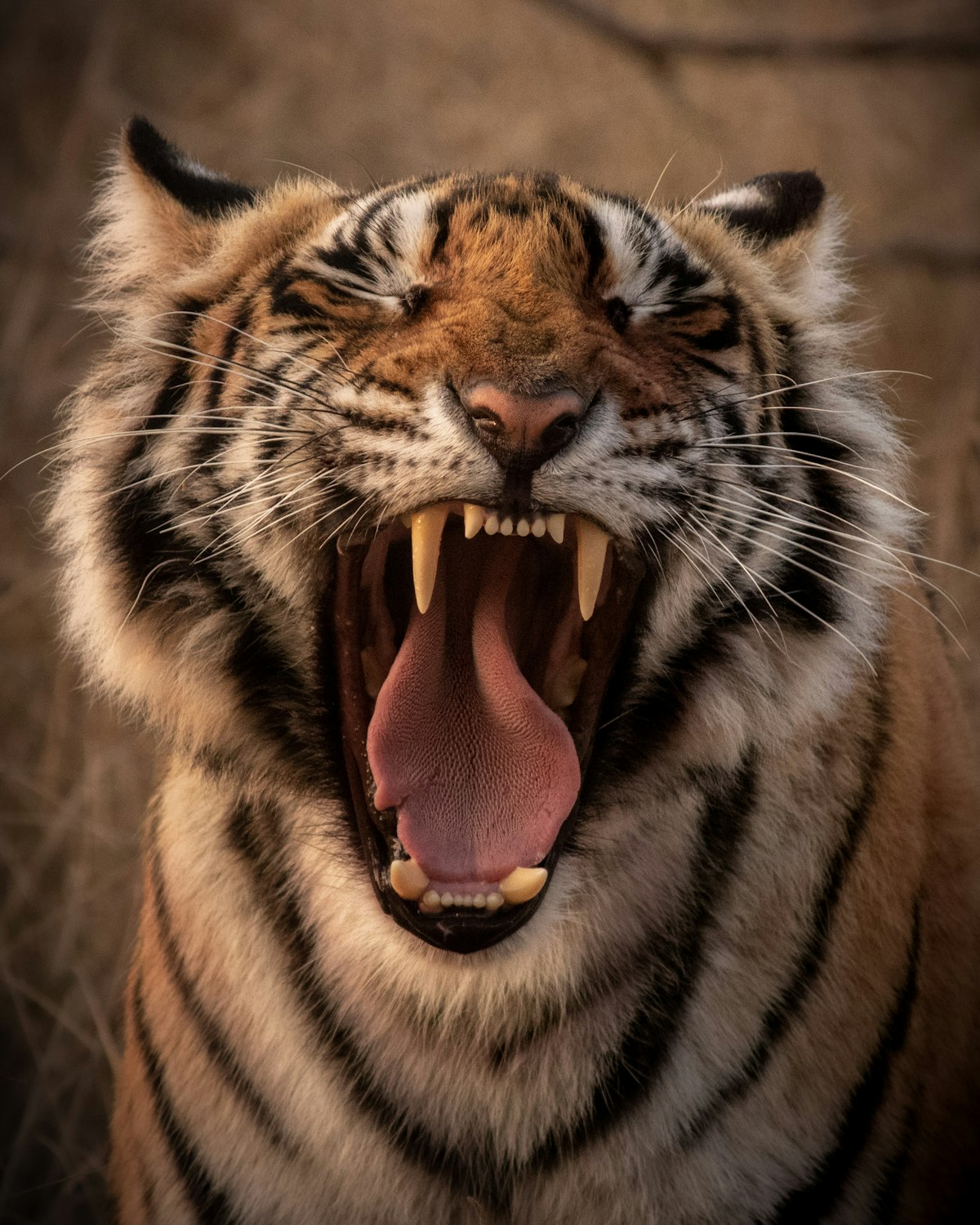
The first tiger you see in the wild doesn't move the way you expect. It doesn't run, it doesn't perform. It simply exists in its landscape — unhurried, completely present in a way that makes everything around it seem arranged for the purpose of framing it. The jeep stops, the guide cuts the engine, and for the duration of the sighting — whether it's 90 seconds or 25 minutes — everything else recedes. This is what people come back from tiger safaris talking about. Not the statistics. The presence.
India's tiger population has more than doubled since 2006 — from 1,411 to 3,682 (2022 census) — the most successful large-predator conservation story in history. The country has 53 tiger reserves across 22 states. Your job as a first-time wildlife visitor is to choose the right one and book it correctly. Here is how.
The Five Best Tiger Reserves for First-Time Visitors
1. Ranthambore National Park, Rajasthan — Best for High Probability
Ranthambore is India's most accessible major tiger reserve (6 hours from Delhi, 3 hours from Jaipur) and has the country's highest tiger density in a landscape of dry deciduous forest and ancient lakes. The tigers here are unusually habituated to jeeps — they continue normal activity even with vehicles nearby, creating the most extended and natural-feeling sightings. Zones 1–5 (core zones) have the best sighting probability; book only these. Best time: October–June. Peak sightings: February–May.
Booking: Online at ranthambhore.com. Safari slots (morning: 6–10 AM, afternoon: 2:30–6:30 PM) open 90 days in advance. Peak season slots (December–April) sell out within hours of opening — set a calendar reminder. Cost per person (shared gypsy, 6-seat): ₹2,500–3,500. Private canter: ₹4,000–6,000.
2. Jim Corbett National Park, Uttarakhand — India's Oldest National Park
Established 1936. Named for Jim Corbett, the hunter-turned-conservationist who documented the area's tigers and leopards in books that remain the best wildlife writing in the English language. The Bijrani and Dhikala zones have the highest tiger density; Dhikala requires an overnight stay within the park (₹2,000–3,500/person at the Forest Rest House). Best time: November–June.
Corbett also has excellent elephant, leopard, and bird diversity — even without a tiger sighting, the forest ecosystem and the raptor population (300+ bird species) make it worthwhile. Dhikala is accessible only by the Forest Department's vehicles from the Ramnagar gate.
3. Tadoba-Andhari Tiger Reserve, Maharashtra — Best from Mumbai/Pune
Maharashtra's flagship tiger reserve, 5 hours from Nagpur (and 14 hours from Mumbai by train to Nagpur). Tadoba has one of India's highest tiger densities and a resident population of highly visible tigers. The Tadoba Lake area produces the most sightings. Best time: March–May (peak season — tigers visit waterholes predictably and the dry vegetation makes sightings easier). The summer heat is significant but manageable.
4. Bandhavgarh National Park, Madhya Pradesh — Highest Tiger Density
Bandhavgarh has the highest tiger density of any Indian reserve — approximately 1 tiger per 11 square km. The Tala zone consistently produces the most sightings. The drive through the reserve past the 2,000-year-old fort ruins on the way to the tiger zones adds historical texture unusual for a wildlife park. Best time: October–June. Best sightings: February–May.
5. Kanha National Park, Madhya Pradesh — Most Beautiful Forest
Kipling set The Jungle Book in the Seoni and Pench forests adjacent to Kanha. The sal and bamboo forest landscape, the meadows (maidans) that give Kanha its distinctive look, and the conservation work done here (including saving the barasingha deer from extinction) make it India's most complete wildlife experience even beyond tigers. Best time: October–June.
Safari Booking Strategy
| Park | Booking Portal | Opens How Far in Advance | Peak Booking Window |
|---|---|---|---|
| Ranthambore | ranthambhore.com | 90 days | Dec–Apr: Book immediately at 90 days |
| Jim Corbett | corbettonline.co.in | 45 days | Oct–Jun: 45-day advance |
| Tadoba | mahaforest.gov.in | 60 days | Mar–May: Book at 60 days |
| Bandhavgarh | mpforest.gov.in | 120 days | Feb–May: Very competitive |
| Kanha | mpforest.gov.in | 120 days | Oct–May: Moderate demand |
What to Bring on a Safari
- Neutral colours (khaki, olive, grey) — not white or bright
- Binoculars: 8x42 or 10x42 — essential for identifying birds and distant animals
- Camera: a 70–200mm lens minimum if you want photographs; a phone camera is inadequate at safari distances
- Warm jacket for early morning safaris (November–February temperatures drop to 8–12°C)
- Silence: guides ask for it and it matters. The jungle reads human sound as predator-presence and goes quiet
Tiger Sighting Probabilities (Honest Estimates)
| Park | Sighting Probability (Peak Season) | Sighting Probability (Off-Season) |
|---|---|---|
| Ranthambore (Zones 1–5) | 70–85% | 40–60% |
| Bandhavgarh (Tala Zone) | 65–80% | 35–55% |
| Tadoba (Tadoba Lake) | 60–75% | 30–50% |
| Kanha (Kanha Zone) | 45–60% | 25–40% |
| Corbett (Dhikala) | 40–55% | 20–35% |
No percentage is a guarantee. The 30% probability day when the forest is full of movement — birds calling alarm, deer watchful, langurs scanning the canopy — and something happens just around the corner from where your jeep stopped, is often more memorable than the 80% probability day when the tiger walks out exactly as expected. Wildlife travel teaches patience and rewards it differently from any other kind of trip.