Kedarnath Yatra 2026: The Complete Trekker's Guide to India's Highest Jyotirlinga
23 April 2026
The stone temple at Kedarnath is at least 1,200 years old, possibly much older. In June 2013, a glacial lake burst above the valley and sent a wall of water and debris through Kedarnath town. Thousands died. The town was destroyed. Hotels, lodges, the bazaar — all gone. The temple stood. Every visible surface was buried in rubble to the sanctuary level, but the structure itself survived intact. When rescuers cleared the debris, the stone lingam inside was undamaged.
The Kedarnath pilgrimage is one of the great acts of faith in India — each year, 200,000 to 400,000 people make the journey between May and November when the doors are open. Many of them are elderly. Many walk. Many carry something they are leaving behind — grief, a prayer, the weight of something they've needed to set down. The mountain receives all of it without comment.
Two Ways to Reach Kedarnath
| Route | Duration | Cost | Suitable For |
|---|---|---|---|
| Trek (Gaurikund to Kedarnath) | 5–7 hours uphill, 4–5 hours down | Negligible (₹200 entry) | Fit walkers, trekkers, pilgrims |
| Pony / Doli | 5–7 hours | ₹2,500–4,000 one way | Elderly, physically limited |
| Helicopter (Phata/Sitapur to Kedarnath) | 8–10 minutes | ₹3,500–6,000 one way | Limited time, less physical capacity |
The Trek: Gaurikund to Kedarnath (16 km)
The trek begins at Gaurikund (1,982 m) and ends at Kedarnath (3,583 m) — a climb of 1,601 metres over 16 km. The path is well-maintained (it's been rebuilt since 2013) and divided into stages:
- Gaurikund to Rambara (7 km): Initial ascent through forest. Steep in places. Rambara has chai stalls and basic food.
- Rambara to Lincholi (4 km): Above the treeline. Views open. Altitude begins to register at this stage.
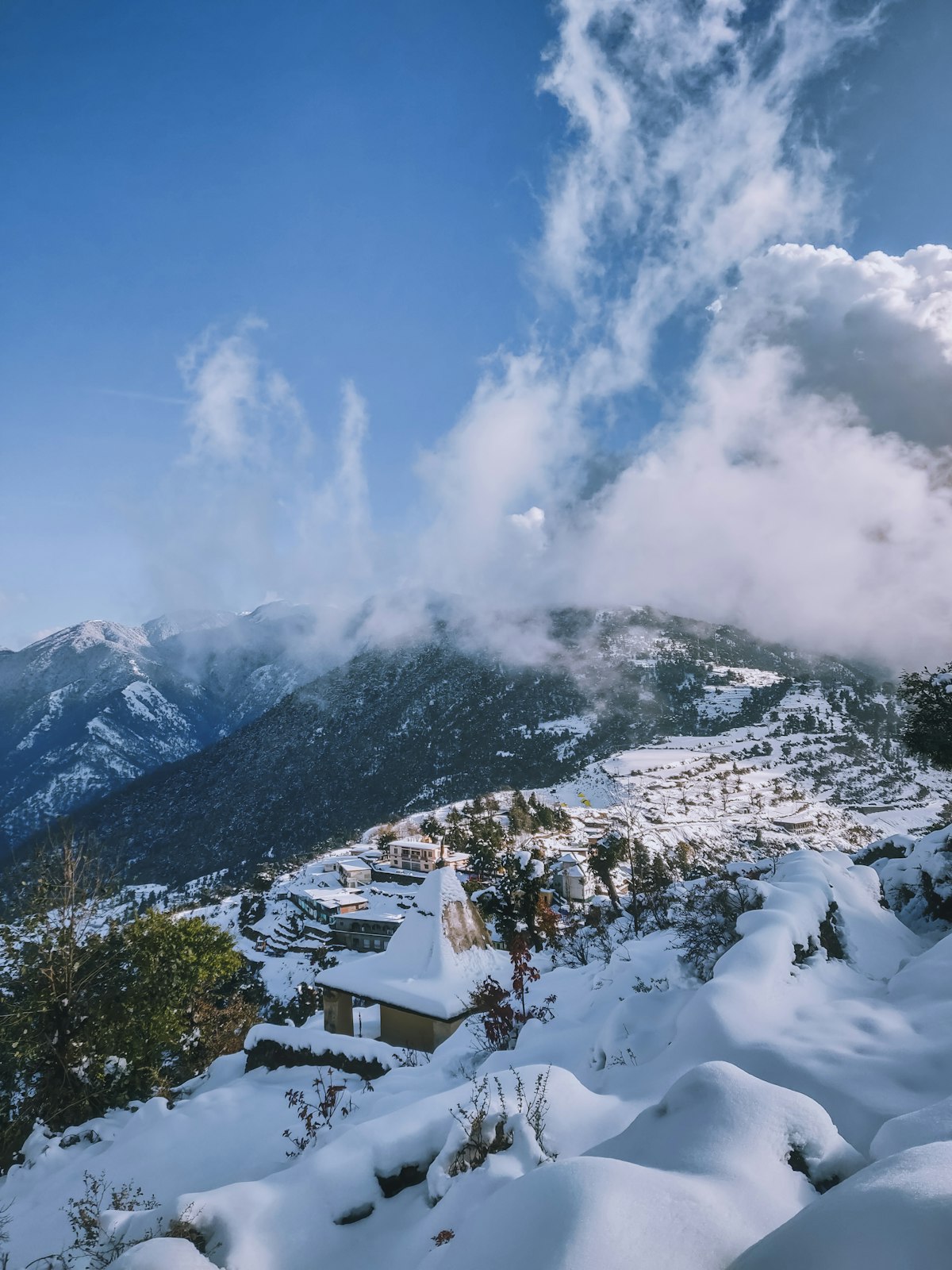
- Lincholi to Kedarnath (5 km): High-altitude meadow approach. The temple becomes visible about 2 km out. This final stretch, with the stone temple growing against the backdrop of Kedarnath Peak and the Chorabari Glacier, is one of India's great visual approaches.
Start no later than 5 AM from Gaurikund. This ensures you reach the temple before peak crowd hours and gives you the option of descending the same day. Walking poles are genuinely helpful; rent at Gaurikund if you don't own them (₹50/day).
At the Temple: What to Expect
The Kedarnath Mandir is open from approximately 4 AM to 9 PM during pilgrimage season (May to November — exact dates based on the Hindu calendar). The line for the inner sanctum darshan can be 2–5 hours during peak season (June–July, October) and 30–90 minutes in shoulder months (May, September).
The lingam inside is triangular — tradition holds it represents the hump of the bull Nandi, who transformed into stone when the Pandavas sought Shiva here. It is one of the 12 Jyotirlingas: the most sacred Shiva shrines in India. The brief moment inside the sanctum, when you're actually in the same stone chamber as the lingam, is what 200,000 people make this trip for each year. Whatever you believe or don't believe, the accumulated devotion of centuries in that space is a physical thing.
Helicopter Route
Helicopter services operate from Phata, Sitapur, and Guptkashi to the Kedarnath helipad. Return tickets: ₹7,000–12,000 (both ways). Book only through IRCTC (irctc.co.in/kedarnath) or official Uttarakhand Tourism portals — there are fraudulent booking websites. The government allocates 50% of helicopter slots on a first-come basis, 50% lottery. Flying into Kedarnath is a genuinely dramatic arrival — the temple appears through cloud below you as you descend into the bowl.
When to Go: 2026 Kedarnath Schedule
- Opening: Usually Akshaya Tritiya (May 2026 — exact date TBC). Announced by the Char Dham Devasthanam Board.
- Best months: May (less crowded, cold, sometimes snowy), September–October (post-monsoon, clear weather, thinner crowds).
- Peak months: June–July (maximum crowd — 20,000–30,000 pilgrims per day). Registration mandatory.
- Closing: Diwali (November 2026). The deity moves to Ukhimath for winter.
Mandatory Registration (2024 Onwards)
Online registration at devasthanam.uk.gov.in is now mandatory for all Kedarnath visitors. Register before your trip, receive a QR code, present it at the Sonprayag checkpoint. This has significantly reduced uncontrolled crowding. Register at least 2 weeks in advance for shoulder season, 4–6 weeks for peak season.
Kedarnath Budget
| Category | Cost (₹) |
|---|---|
| Train from Mumbai to Haridwar/Rishikesh | 500–1,200 (Sleeper / AC) |
| Haridwar to Sonprayag (cab/shared taxi) | 300–600 (shared) / 2,500 (private) |
| Accommodation (Gaurikund/Kedarnath) | 500–1,500/night |
| Trek (self-guided) | 0 + ₹200 entry |
| Pony or Doli (one way) | 2,500–4,000 |
| Helicopter (return) | 7,000–12,000 |
| 5-Day Trip Total (trek route, budget) | ₹8,000–14,000 |
Altitude and Fitness Preparation
Kedarnath (3,583 m) is at altitude where acute mountain sickness is possible. The walk from Gaurikund ascends 1,600 metres in 16 km — equivalent to a reasonably demanding mountain hike. People of all fitness levels complete it, but preparation matters:
- Walk 45–60 minutes daily for 2–3 weeks before your trip
- Hydrate aggressively (3+ litres/day at altitude)
- Carry basic altitude medication (Diamox — consult a doctor first)
- Do not rush the ascent — the most common reason for AMS is ascending too fast
- Acclimatise one night at Guptkashi or Gaurikund before the trek
The descent is harder on the knees than the ascent is on the lungs. Trekking poles help significantly on the downward stretch.
Kedarnath is not primarily a trekking destination. It is a pilgrimage site that happens to require a trek. This distinction matters when you get there — the devotion in the air, the prayers being said by people who've saved for this journey for years, the flowers laid at the lingam at 4 AM by someone who reached the top on arthritic knees — changes the quality of the experience for everyone who goes, regardless of their personal relationship with religion.