Monsoon Travel Near Mumbai: 15 Places That Are Genuinely Better in the Rain (June–September)
28 April 2026
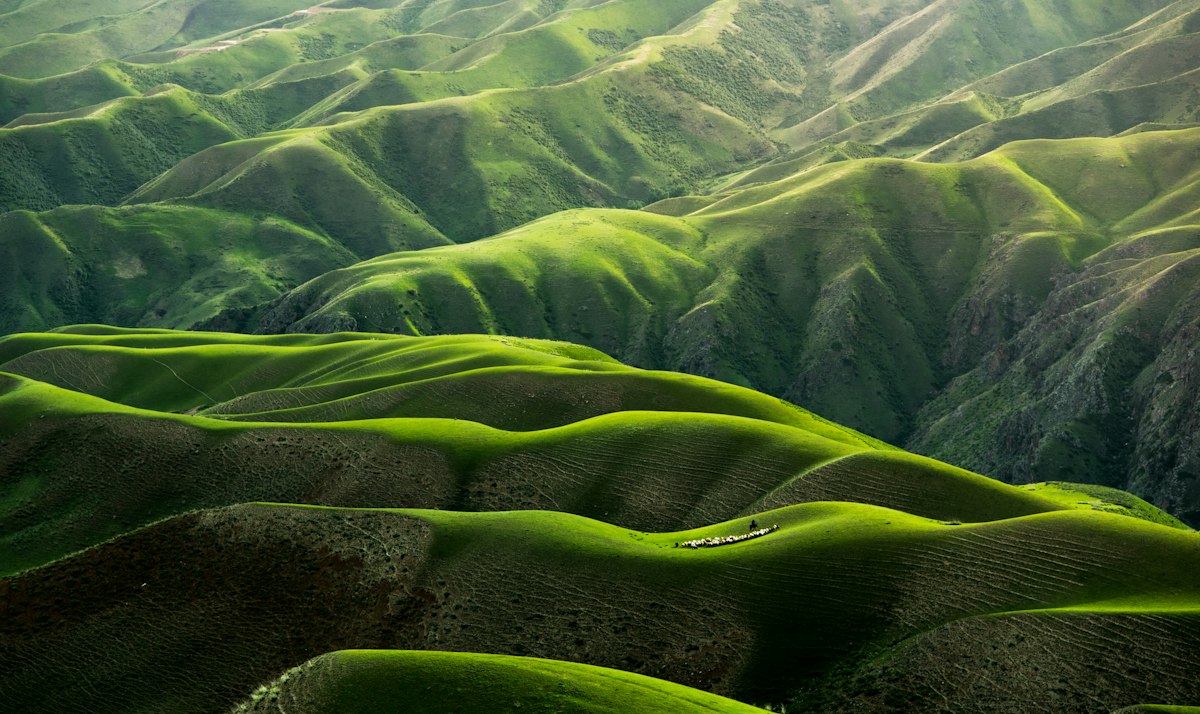
The conventional travel advice about monsoon is to avoid it. Don't go to Rajasthan in July. Don't drive up to Spiti in August. Fair enough. But the Sahyadri ranges in full monsoon — the Western Ghats that begin at Mumbai's eastern edge and run south through Goa — are an entirely different argument. The waterfalls that were dry cliff faces in February are now 200-metre cascades. The forest that was gold and dusty in April is now so electrically green it doesn't look real. The rain itself — heavy, warm, filling the air with petrichor — is an experience, not an inconvenience. Here are 15 destinations near Mumbai that the monsoon makes specifically worth visiting.
Waterfall Country: July–September Peak
1. Bhivpuri Waterfall + Khopoli — 80 km
The Bhivpuri waterfall near Karjat is accessible by a short trek from Bhivpuri Road railway station (30 minutes from CST). In July and August, the falls are at peak flow — multiple cascades visible from the railway station itself, and the trail leading through rice fields to the base of the main fall. A full day of waterfall immersion, accessible entirely by train, for under ₹500 total.
2. Bhushi Dam, Lonavala — 83 km
Lonavala's defining monsoon attraction: the Bhushi Dam overflow during heavy rains creates a natural waterfall over the dam steps, which become a public swimming and playing area for the entire surrounding district. Crowded on weekends (arrive before 9 AM), magnificent in off-peak hours. The overflow varies with rainfall — the best versions occur in July and August after a day of heavy rain.
3. Rajmachi Waterfalls + Trek — 90 km
The Rajmachi trek in monsoon (15 km from Udhewadi, 3–4 hours) passes through the most lush landscape of the year — waterfalls visible on every cliff face, the path muddy but manageable in proper trekking shoes. The fort views on clear monsoon days (when the rain pauses) show the Konkan coast far below through the valleys. The Udhewadi homestay hosts trekkers year-round and the monsoon version is the most atmospheric.
4. Tamhini Ghat Waterfalls — 60 km from Pune
The Tamhini Ghat road in July and August is Maharashtra's most spectacular monsoon drive — waterfalls visible from the car window every few kilometres, the forest walls on both sides intensely green, and the mist that sits in the valley below the ghat. No single "attraction" — the entire 40 km road is the experience. Best done on a Tuesday or Wednesday to avoid weekend traffic.
5. Malshej Ghat — 130 km
Malshej Ghat has monsoon's most reliable waterfall — a cliff face adjacent to the ghat road that runs continuously through the season. The flamingos have departed (they return in October) but the mist, the waterfall, and the view over the flooded valley below make this Maharashtra's most dramatic monsoon landscape. The Harishchandragad trek above the ghat is possible in monsoon for experienced trekkers.
6. Kune + Dhobi Falls, Khandala — 80 km
Kune Falls (near Khandala, 3-tiered, 200m total height) and the Dhobi Falls on the old Mumbai-Pune highway are both at maximum flow in July–August. Both are accessible within the Khandala–Lonavala stretch and can be combined in a single day trip.
Fort Treks in the Rain: July–September
7. Lohagad Fort — 80 km
Lohagad Fort (near Lonavala) in monsoon: the path is muddy, the fort ramparts are wet, and the valley below is cloud-covered — but when the clouds clear for 15 minutes, the Indrayani River valley below is the green version of a landscape that's golden and dusty in summer. The 45-minute climb is manageable in good rain shoes. Bhaja Caves (Buddhist, 2nd century BCE) are a short walk from the fort base.
8. Torna Fort — 60 km from Pune
Torna in monsoon: the fort plateau at 1,403m is wrapped in cloud, the stone walls wet and mossy, and the view (on clear days between rain) extends across the entire Sahyadri range in every direction. The 3-hour climb in monsoon requires proper footwear and should not be attempted in heavy rain. Best in August's lighter shower periods.
9. Sinhagad — 30 km from Pune
Sinhagad's most famous season is monsoon — the fort covered in mist, the valley below invisible, the climb through small waterfalls and green scrub. The monsoon version of the zunka-bhakar dhaba (warm food, hot tea, rain outside) is the definitive Sinhagad experience. Go on a weekday — weekend monsoon crowds are significant.
Western Ghats Nature: Biodiversity Peak Season
10. Bhimashankar Wildlife Sanctuary — 130 km
Bhimashankar in monsoon: the Indian Giant Squirrel (Maharashtra's state animal) is most active in the monsoon canopy, the forest is at maximum density, and the mist-wrapped old-growth trees create an atmosphere that's genuinely different from any other season. The Jyotirlinga temple receives pilgrims year-round. The trek from Khandas village is manageable in light rain.
11. Phansad Wildlife Sanctuary — 130 km
Phansad near Murud-Janjira is one of Maharashtra's most accessible wildlife sanctuaries for spotting Indian Gaur (bison) — the lush monsoon vegetation concentrates the animals at the forest edges at dawn. The sanctuary receives almost no tourist pressure, making this one of the most genuinely wild experiences within 130 km of Mumbai.
The Konkan in Light Monsoon: August–September
12. Raigad Fort + Mahad — 150 km
Raigad — the capital of Shivaji Maharaj's Swaraj — is accessible by ropeway (₹300 return) to the 1,300-step summit. In post-monsoon August and September, the surrounding landscape is the most dramatically green version of itself — the fort walls rising above vivid green forest, the coastal plains below visible on clear days. The Shivaji Maharaj memorial at the summit.
13. Murud-Janjira — 165 km
The unconquered Janjira Sea Fort can be visited year-round — the monsoon sea is rougher, the boat crossing more dramatic, and the fort walls have the specific appearance that wet basalt and monsoon light create. August and September see lighter rain on some days, making the crossing possible. Check sea conditions locally before going.
14. Kolad River Rafting — 140 km
The Kundalika River at Kolad is specifically best in monsoon — the water levels from June through August create Grade III rapids that are both more challenging and more spectacular than the dry-season version. Professional certified operators run the 14 km stretch. August is the peak month for rafting intensity. Cost: ₹700–1,200/person.
15. Dudhsagar Falls (Goa Border) — 490 km
Dudhsagar (Sea of Milk) is India's 4th tallest waterfall at 310m. In July and August, the full flow makes the four-tiered falls look like white silk laid down a mountain face. The approach requires a jeep from Kulem railway station (₹500–700/person shared) and a river wade. The most dramatic waterfall accessible from Mumbai, at its best specifically in monsoon.
Monsoon Travel Practicalities
| What to Bring | Why |
|---|---|
| Waterproof backpack cover | All electronics and papers must stay dry |
| Quick-dry clothes | Cotton stays wet for hours in monsoon; synthetic dries fast |
| Trekking sandals or waterproof shoes | Muddy trails need grip and don't benefit from ruined trainers |
| Mosquito repellent (DEET) | Monsoon mosquito activity is at peak; dengue risk is real in some areas |
| Power bank | Rain and humidity affects battery life; have backup power |
| Offline maps (Maps.me) | Signal is unreliable in forest and ghat areas in rain |
The Sahyadri monsoon is not a travel obstacle — it's a travel destination. The rain transforms this landscape in ways that no other season replicates, and the travellers who return to the same viewpoints and forts across all four seasons consistently say that the monsoon version is the most memorable. Go prepared. Go mid-week. Get wet.