Thailand in 10 Days: The Complete India-Specific Guide to Getting It Right (Visa, Budget, and the Beaches Nobody Photographs)
23 April 2026
Thailand makes things easy in a way that doesn't feel manufactured. The airports work. The trains run. The food arrives fast and costs less than any comparable quality anywhere in the world. The temples are open early and the monks don't ask for money. The beach taxi knows which beach you want from a 3-second description. And at some point on day 4 or 5, sitting at a plastic table eating pad see ew from a street cart at 10 PM while a market operates around you and someone nearby is playing a phin (a Thai lute) for no particular reason, you understand why everyone keeps coming back.
India and Thailand have been trading partners since at least the 1st century CE. The Buddhist cultural connection is deep and visible — in the royal temple iconography, in the ritual calendar, in the physical gestures of worship. India sends more tourists to Thailand than almost any other country, and Thailand has responded with infrastructure, language accommodation, and vegetarian food options that reflect the relationship. Here is how to use it properly.
Visa for Indian Passport Holders (2026)
Thailand introduced visa-free entry for Indian passport holders in 2023, extended and confirmed for 2026. Indians can stay for 30 days without a visa — simply arrive with a valid passport (6+ months validity) and return tickets. This applies to leisure travel only; business travel may require additional documentation. For longer stays, the 60-day tourist visa is available at Thai embassies in India (Mumbai, Delhi, Chennai, Kolkata, Hyderabad) for approximately ₹3,000–3,500.
Getting There
- Direct flights: IndiGo, Air India, Thai Airways, Bangkok Airways from Mumbai, Delhi, Chennai to Bangkok (Suvarnabhumi) and Phuket. Flight time: 5–6 hours from Mumbai. Round-trip: ₹18,000–35,000 depending on airline and season.
- Best time: November–April (dry season). Peak: December–January. Best value: February–March (dry, fewer crowds, slightly lower prices).
Bangkok (Days 1–3)
Bangkok is one of the great world cities — not in spite of its contradictions but because of them. The Grand Palace complex (Wat Phra Kaew, Emerald Buddha, the full regal precinct) is non-negotiable — arrive at 8 AM to beat the main tourist wave and the heat. The Emerald Buddha is 45 cm tall and dressed in three seasonal costumes changed by the King of Thailand himself each quarter — the most sacred religious icon in the country, in a vaulted hall covered in gold mosaic that takes 30 minutes to absorb. Entry: 500 baht (₹1,100).
Wat Pho — Reclining Buddha (46 metres long, gold, the world's most elaborately proportioned relaxed posture) — is next door and equally extraordinary. Wat Arun across the river at sunset. The night market on the Chao Phraya riverbank. One meal at a Michelin-starred street food stall (Jay Fai's kai jeow crab omelette: 1,000 baht / ₹2,200 — worth every rupee).
Chatuchak Weekend Market: 15,000 stalls covering 35 acres, operating Saturday and Sunday. Organised by category (textiles, plants, antiques, clothing, food) — the most comprehensive market experience available in Southeast Asia.
Chiang Mai (Days 4–5)
The ancient walled city of the North. 300 temples in the old city and surrounding areas, including Doi Suthep (on a mountain above the city, accessed by 309 steps or a funicular, overlooking the entire valley). The Sunday Walking Street on Wualai Road: handmade crafts, local food, northern Thai music. The hill tribe villages outside Chiang Mai are reachable on a 2-day trek — ethnic Akha, Karen, Lahu, Hmong communities with distinct textile traditions, farming practices, and animist-Buddhist religious syncretism. Ethical trek operators in Chiang Mai take small groups (4–6 people maximum) with authentic village accommodation rather than tourist villages.
Thai cooking class: most schools pick you up, take you to a market to select ingredients, and teach 5–6 dishes in a 4-hour session. ₹1,500–2,500 per person. You'll cook tom kha gai, pad thai, mango sticky rice, and something involving green curry paste you made yourself. These skills translate directly back to an Indian kitchen with minor ingredient substitutions.
Krabi / The Andaman Coast (Days 6–9)
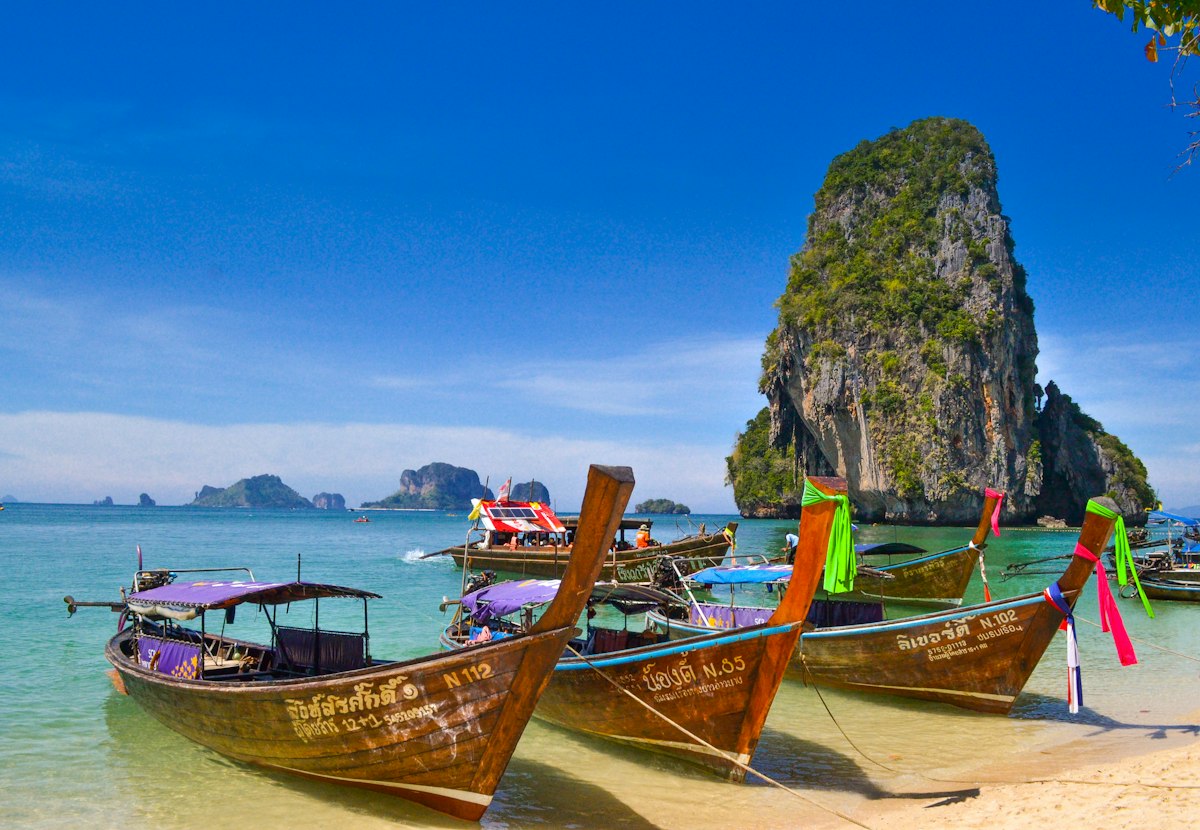
Fly Bangkok to Krabi (1 hour, ₹3,000–5,000). Krabi town is the base for Railay Beach (boat-only access, limestone cliffs on all sides, turquoise water), the Four Islands tour, and kayaking through mangrove caves. Ao Nang is the main hub — functional and accessible, not as dramatically beautiful as Railay.
For travellers who want something quieter than Phuket and more accessible than the remote Andaman islands: Koh Lanta (30-minute ferry from Krabi) has good beaches, a small old town, and a slower pace. Koh Yao Noi (90 minutes from Krabi) is even quieter — a Muslim fishing island with rubber plantations, cycling paths, and Phang Nga Bay views. Neither appears in most Thai travel content. Both are significantly more rewarding than Phuket's Patong strip.
Thailand Cost Breakdown (10 Days, Per Person)
| Category | Budget (₹) | Mid-Range (₹) |
|---|---|---|
| Flights (round trip from Mumbai) | 18,000–26,000 | 26,000–40,000 |
| Accommodation (per night) | 1,200–2,500 | 3,500–7,000 |
| Food (per day) | 500–900 | 1,200–2,200 |
| Internal flights (BKK–Chiang Mai + Chiang Mai–Krabi) | 4,000–7,000 | 7,000–12,000 |
| Activities and entrance fees | 3,000–5,000 total | 5,000–9,000 total |
| 10-Day Total (per person) | ₹40,000–60,000 | ₹70,000–1,10,000 |
Vegetarian Food in Thailand
Thai food is significantly more vegetarian-accessible than its meat-forward reputation suggests. Key phrases:
- Je (pronounced "jay") — Buddhist vegetarian, no meat, no fish sauce, no eggs. Look for yellow flags with red Thai script (je) outside restaurants during Buddhist festivals.
- Mangsawirat — vegetarian without strict je rules (may include eggs)
- Pad thai, som tum (papaya salad), mango sticky rice, fried rice, tom yum soup — all easily made vegetarian. Specify no fish sauce (nam pla) at restaurants.
- Bangkok's Chinatown (Yaowarat) has excellent Chinese vegetarian restaurants open late.
The reason Indian travellers return to Thailand is not the beaches — beautiful as they are — or the temples, or the food. It's the ease. The way the country absorbs you without demanding adjustment. The system works; the people are genuinely warm without being servile; the food rewards both experiment and repetition. Thailand is the easiest international trip available from India, and ease is not a small thing when you have two weeks and want to spend zero of them troubleshooting logistics.