The Other Goa: Portuguese Villages, Spice Farms, Wildlife Sanctuaries, and the Beaches Nobody's Found Yet
23 April 2026
The Portuguese were in Goa for 451 years — from 1510 to 1961. The British were in India for 200 years and left Lutyens' Delhi and railway stations. The Portuguese left something stranger and more beautiful: baroque churches in cashew orchards, a cuisine that grafted vinegar and pork and sausage onto a coconut coast, a handful of villages that still organise festivals around parish saints, and an architecture that makes Goa look unlike anywhere else in India even fifty-three years after the Portuguese left.
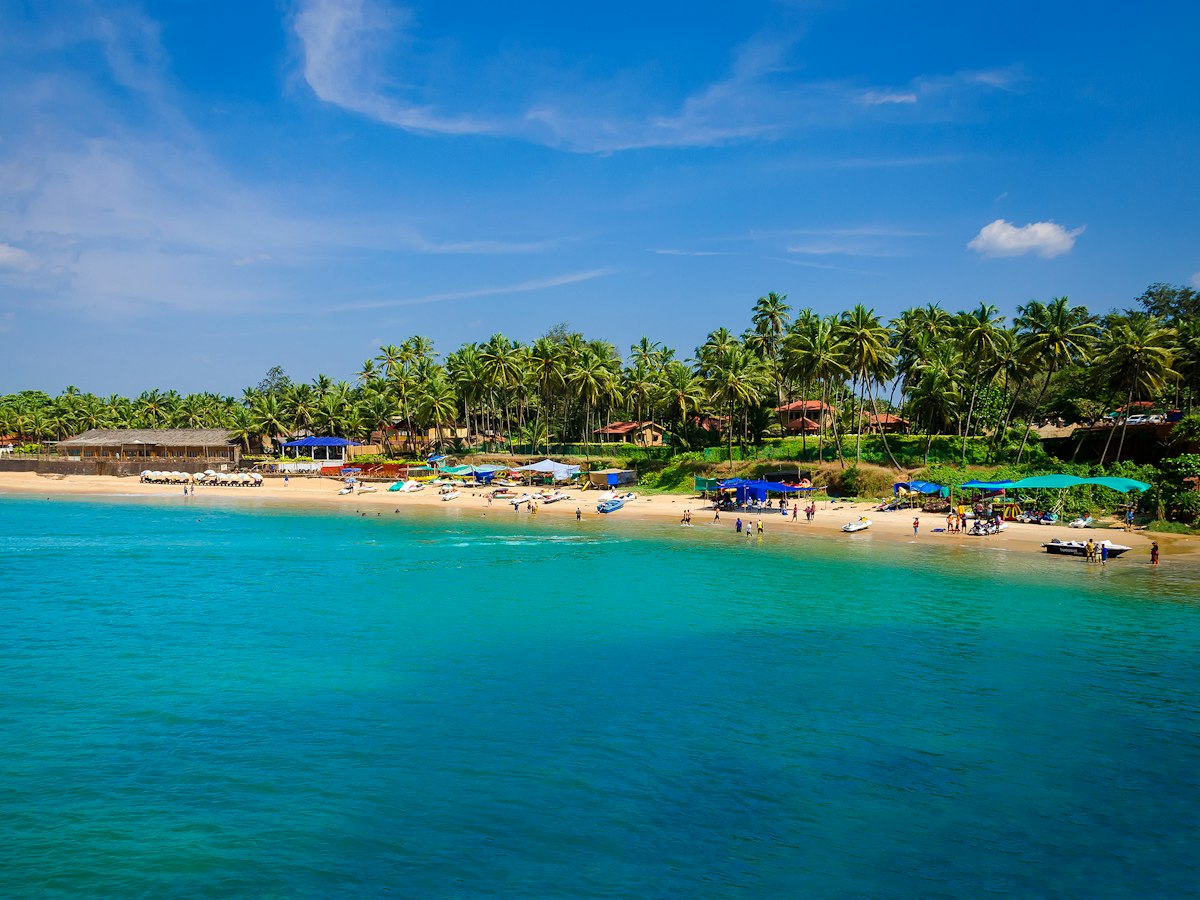
The Goa most visitors experience — Baga, Calangute, Anjuna's flea market, the beach clubs of Morjim — is real and enjoyable. But it coexists with a completely different Goa that is significantly more interesting and requires only the willingness to drive slightly further from the airport. This guide is to that Goa.
Old Goa: Where Baroque Meets the Tropics
Old Goa (Velha Goa) was once larger than Lisbon and London. Today, its ruins and churches rise from overgrowth 10 km east of Panaji. The Basilica of Bom Jesus (UNESCO, 1605) holds the incorrupt body of St. Francis Xavier — the Jesuit missionary who died in 1552, whose body has apparently never decayed. Every 10 years, the body is put on public display; the next exposition is 2034. The Se Cathedral (1619) is the largest church in Asia and has a bell called the "Golden Bell" — the largest in Goa, audible on a still morning from 2 km away.
Visit Old Goa at 8 AM on a weekday. By 11 AM, tourist coaches arrive and the contemplative quality of the place changes entirely.
The Portuguese Villages: Chandor, Loutolim, Quepem
South Goa's interior villages have 18th and 19th-century mansions built by the Goa Brahmin Catholic families who prospered under Portuguese rule. The Braganza House in Chandor — still occupied by two branches of the same family — is one of the finest examples of Indo-Portuguese architecture anywhere: 11,000 square feet, hand-painted blue-and-white tile murals, furniture from Portugal and China, and an oratory that holds a relic of St. Francis Xavier. Entry by appointment (₹100–200 suggested donation, simply knock). The family lets you in and shows you around themselves.
Dudhsagar Waterfall
On the Goa-Karnataka border, Dudhsagar (Sea of Milk) falls 310 metres in four stages — the fourth tallest waterfall in India. At full flow (July–October), the entire face of the mountain looks like it's running with white water. The approach requires a 4WD jeep from the Kulem railway station (₹500–700 per person, group jeep). The final 1 km is waded through a shallow stream. Worth every element of the logistics.
Bhagwan Mahavir Wildlife Sanctuary and Mollem
Goa's largest forest reserve, covering 240 square km, shares its boundary with Karnataka's Dandeli Wildlife Sanctuary — together forming one of the most biodiverse forest complexes in the Western Ghats. Gaur (Indian bison), sambar, Malabar giant squirrel, 300+ bird species, and possibly a resident leopard population. The Devil's Canyon viewpoint inside the sanctuary looks over a river gorge of almost vertiginous depth. The Mollem village area at the sanctuary entrance has good guesthouses and is significantly quieter than any coastal town.
Spice Farms: The Working Farms Worth a Morning
Three spice farms near Ponda are genuinely working agricultural operations — not only tourist attractions — growing pepper, cardamom, cinnamon, vanilla, cocoa, and a dozen other spices on the same hillside. The guided tour (₹400–600, including lunch) walks you through the growing process, shows you spice plants you've eaten your entire life but never seen growing, and culminates in a traditional Goan thali lunch in the farm's open-air hall. Tropical Spice Plantation and Sahakari Spice Farm are the most established.
The Beaches You Haven't Found Yet
- Agonda: South Goa. No motorised water sports. Olive Ridley turtles nest here November to January (nesting sites are roped off and protected). The beach is long, curved, and uncrowded. The few guesthouses are excellent. Rent a bicycle and explore the adjacent paddy fields and estuary at dawn.
- Butterfly Beach: Accessible only by boat from Palolem (₹400–600 return) or a forest trek. Horseshoe-shaped, tiny, often deserted. Dolphins are regularly visible from the beach in winter.
- Querim (Keri) Beach: Northernmost beach in Goa, reached via Tiracol ferry (free, runs every 15 minutes). The Tiracol Fort above the ferry point has been converted into a heritage hotel with 7 rooms. The Querim beach below it has virtually no development.
- Galgibaga: South of Palolem, one of the quietest beaches accessible by road. Another Olive Ridley nesting site. Two guesthouses, one café, no beach shacks.
Goa's Interior: What You Drive Past
The inland from the NH66 highway is a landscape of coconut and cashew estates, temples with ornate shikhara towers, rivers navigable by small boat, and villages that have barely changed in decades. The Zuari and Mandovi rivers are worth an afternoon boat excursion from Panaji — mangrove creeks, migratory birds, and the aerial view of the coastal plateau from the water.
Eating the Other Goa
- Goan Fish Curry Rice: The daily meal. Red-orange, coconut-based, with kokum providing the souring agent. Every village has its version; no restaurant replicates a home version precisely.
- Xacuti: A meat curry (chicken or mutton) with roasted coconut, whole spices, and dried red chillies. Deeply complex. Best in a family-run restaurant, not a beach shack.
- Bebinca: The defining Goan dessert — 16-layer coconut milk and egg yolk pudding, baked one layer at a time. Takes 8 hours to make. Found only in Goa and available at the good bakeries in Panaji and Margao.
- Feni: Cashew or coconut toddy double-distilled. Legal in Goa (it has its own GI tag) and not sold outside the state. Taste it once at least, from a producer rather than a beach bar.
The Goa that stays with you is not the Goa that everyone photographed. It's the Braganza House drawing room with 200-year-old furniture and a relic in a glass box. The Dudhsagar mist on your face after the waterfall crossing. The Agonda beach at 6 AM with turtle tracks in the sand leading to the waterline. This Goa takes a little more effort to find. It is significantly more interesting.